Camera Japan 2026
Japan through Squinted Eyes Japan door de oogharen 目をほそめて
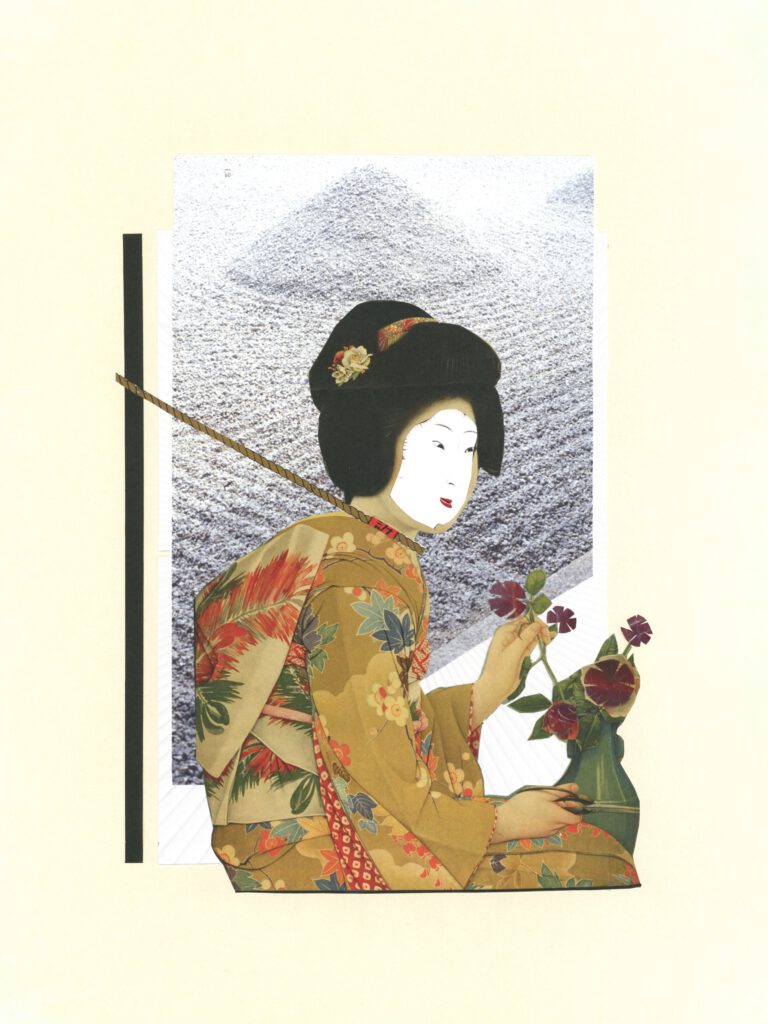
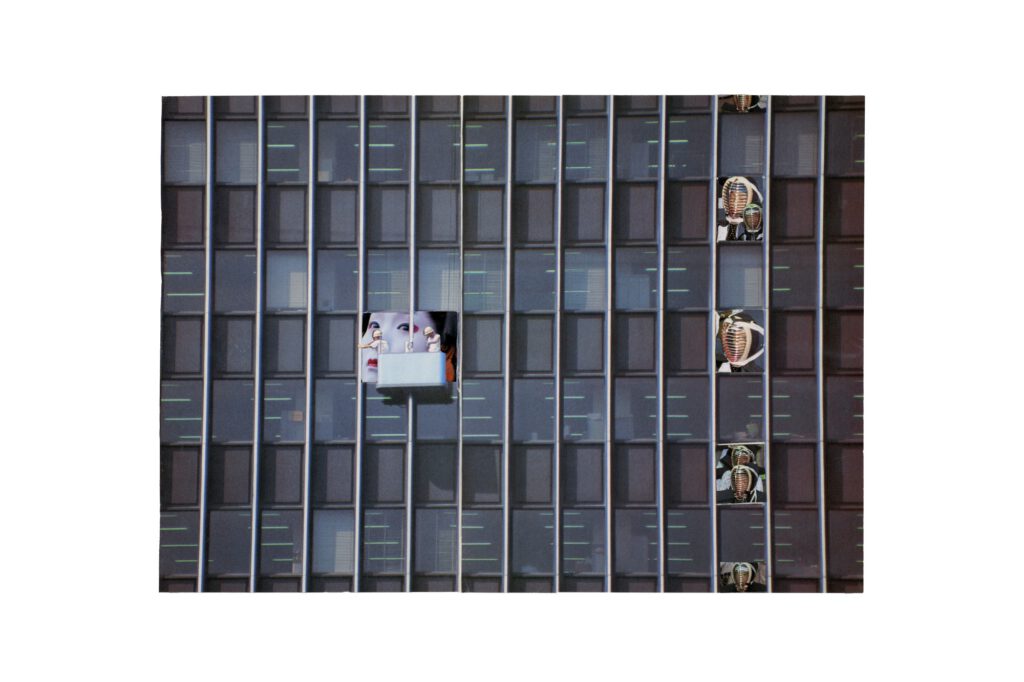
Het thema van de collages is de spanning tussen vormelijkheid en gevoel, tussen aanpassing en innerlijke vrijheid. Het is ook het kern thema van de Japanse cultuur, verwoord in de begrippen Tatemae (建前 = letterlijk: publieke facade) en Honne (本音 = je eigen geluid ). Zoals de rijstpapieren schuifdeur toegang geeft tot een verborgen kamer, zo brengen de collages de twee dimensies bij elkaar. De scherpe scheiding tussen public en private is nu verdwenen. Durven loslaten geeft dan niet alleen opluchting, maar wijst ook de weg naar een diepe, meer verrijkende schoonheid.
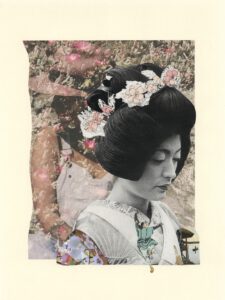
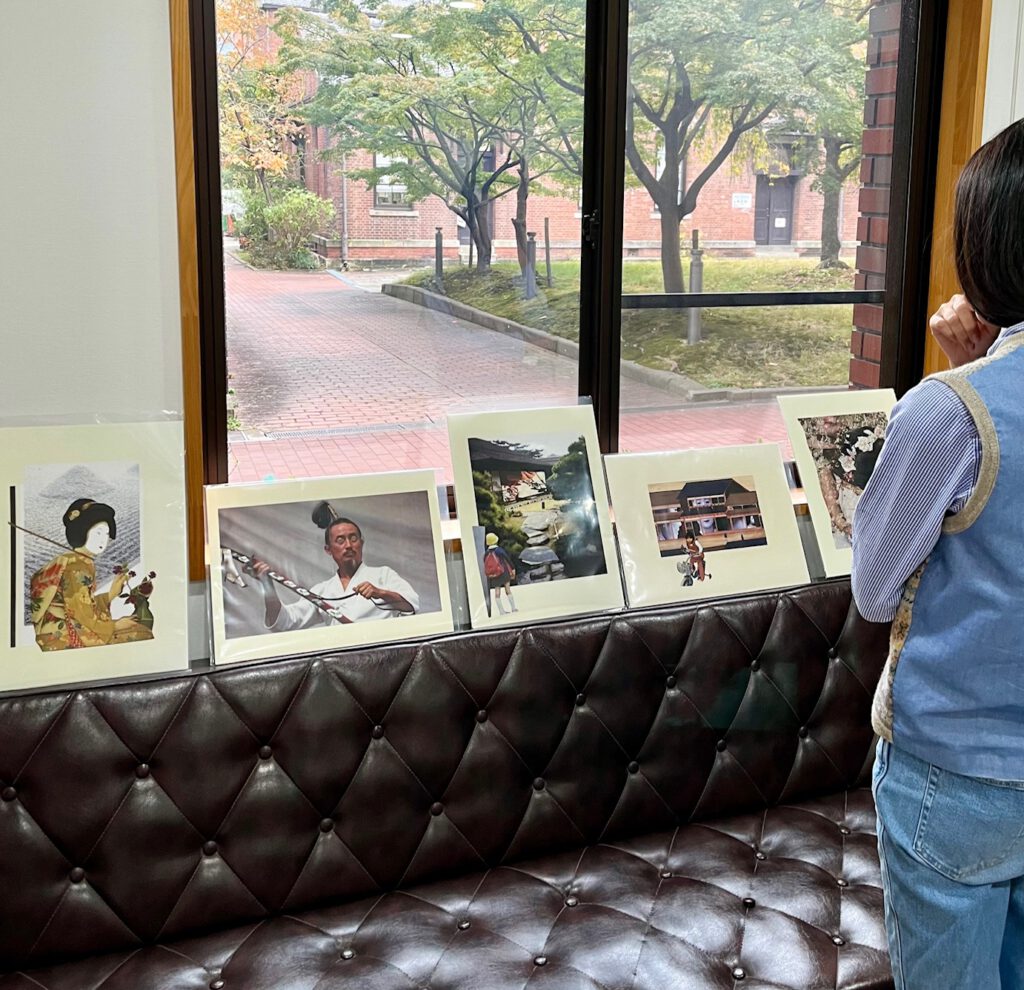
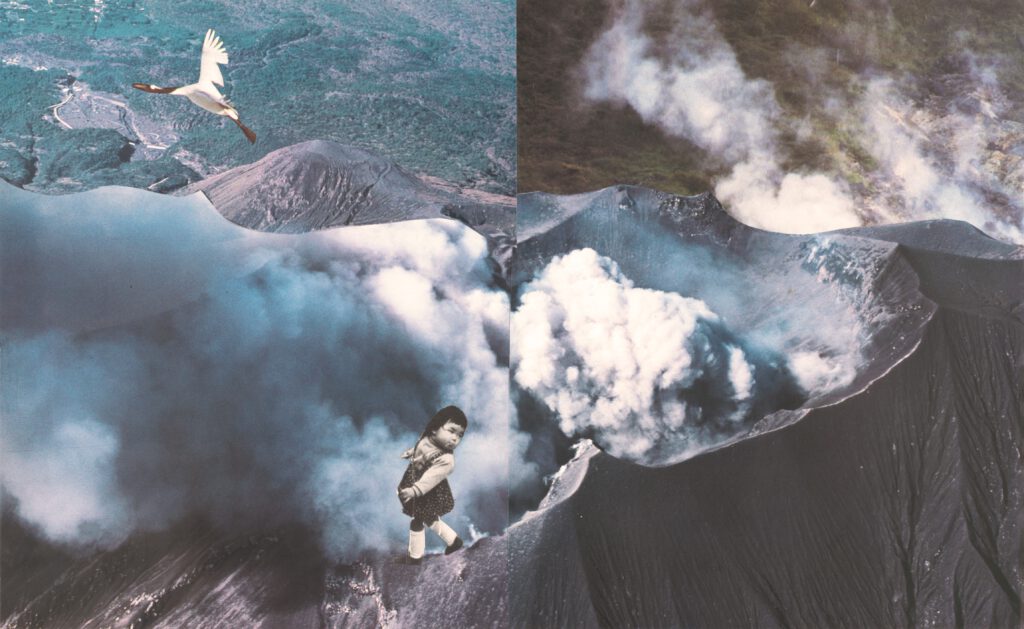
The tension between outward form and inner feeling is the starting point of my collages. In Japan it is often described through the concepts of tatemae (建前: the public façade) and honne (本音: one’s true feelings). The collages play with these two worlds. Just as a sliding rice-paper door may reveal a hidden room, the images bring the public and the personal together. When this separation is briefly released, another form of beauty can emerge — more open, more human, and unexpectedly rich.
De werken zijn handgemaakte papieren collages, samengesteld uit boeken, tijdschriften en ander gedrukt materiaal, waaronder fragmenten van mijn eigen foto’s.
De letters bij de titels verwijzen naar de bronnenlijst hieronder.
The works are handmade paper collages, assembled from books, magazines and other printed matter, including fragments of my own photographs.
The letters next to the titel refer to the source list below.
■ ──────────── ■ ──────────── ■ ─────────── ■ ──────────── ■
Art & Research
Japan through Squinted Eyes is nauw verbonden met mijn lopende onderzoek naar tatemae en honne — naar hoe Japanners omgaan met sociale verwachtingen, publieke rollen, persoonlijke verlangens. Enkele collages gebruik ik in mijn fenomenologische interviews. In plaats van deelnemers meteen te vragen wat tatemae en honne voor hen betekenen, vraag ik een collage te kiezen en deze gedetailleerd te beschrijven. Vanzelf komen dan herinneringen, associaties en persoonlijke ervaringen op.
Japan through Squinted Eyes is closely connected to my ongoing research into tatemae and honne — the ways in which people navigate social expectations, public roles, personal feelings and desires. Selected collages are used as visual prompts in phenomenological interviews. Rather than asking participants directly to define tatemae and honne, they are invited to choose one collage and describe it in detail. The images invite memories, associations and personal experiences to emerge.
Research artikel
Between Form and Feeling: Negotiating Tatemae and Honne in Contemporary Japan * An Art-Based Phenomenological Study of Everyday Conformity.
This article examines how individuals in contemporary Japan navigate the persistent tension between tatemae—the socially expected façade—and honne—one’s private feelings and desires. Long treated as quintessentially Japanese, these concepts are often framed as stable cultural traits. This study instead approaches tatemae and honne as context-dependent social strategies that emerge in response to specific relational and situational pressures. Drawing on in-depth interviews supported by art-based visual elicitation, the research adopts a phenomenological approach to explore how individuals reconcile inner experience with external expectations. By situating tatemae and honne within their historical and philosophical contexts and resisting essentialist portrayals of Japanese culture, the study demonstrates how participants actively negotiate social pressures through a diverse repertoire of cognitive, emotional, and communicative strategies. The findings highlight how roles, hierarchy, and group belonging generate ongoing friction between private desire and public obligation. Rather than passive conformity, participants displayed subtle forms of agency, humor, and strategic ambiguity in sustaining social harmony while protecting their personal integrity.
The article contributes to anthropological debates on cultural construction, emotional regulation, and the ethics of conformity, while demonstrating the potential of art-based methods for eliciting deeply personal narratives in qualitative research.
Keywords: tatemae and honne; phenomenology; art-based research; relational selfhood; social conformity; lived experience; Japanese society Would you like to read the full article? Please email me for a PDF copy: mail@jeanineschreurs.eu
■ ──────────── ■ ──────────── ■ ─────────── ■ ──────────── ■
CAMERA JAPAN Festival 2026
23–27 September 2026
LantarenVenster · Rotterdam
First floor · Free access
Opening hours
Wed 23 Sept · 12.00–19.00
Thu 24 Sept · 10.00–19.00
Fri 25 Sept · 10.00–19.00
Sat 26 Sept · 10.00–19.00
Sun 27 Sept · 10.00–17.00
Adres
LantarenVenster
Otto Reuchlinweg 996
3072 MD Rotterdam
■ ──────────── ■ ──────────── ■ ─────────── ■ ──────────── ■
a — Begegnungen mit Japan, Gunter & Christine Nerlich. VEB F.A. Brockhaus Verlag, Leipzig, 1978.
b — Kamikochi: Die Japanischen Alpen, photographs by Shinzo Maeda. Verlag Benedikt Taschen, Köln, 1987.
c — Japan, Schuyt & Co., Haarlem, 1986.
d — Topchefs Sake, Cila van der Endt & David Lindsey.
e — Japanese Papers, Pepin van Roojen. The Pepin Press / Agile Rabbit Editions, Amsterdam, 2008.
f — Nakagawa Isaku, Guran Masse, woodblock print, 1933.
g — George Hendrik Breitner, Girl in a Red Kimono / Meisje in rode kimono, c. 1893; model: Geesje Kwak.
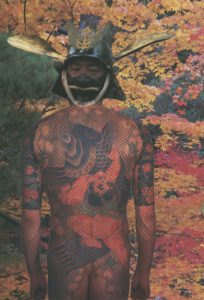
h — Tattooed figure, Japan Tattoo, SieboldHuis Leiden, 2009–2010.
i — Hand-coloured albumen print of a Japanese female acrobat / entertainer, c. 1871–1881, attributed to Raimund von Stillfried
■ ──────────── ■ ──────────── ■ ─────────── ■ ──────────── ■
Contact
dr Jeanine Schreurs researcher & artist
mail@jeanineschreurs.eu
www.jeanineschreurs.eu